Practical nutrition information, biochemistry education, mindfulness tips, and self-compassion practices.

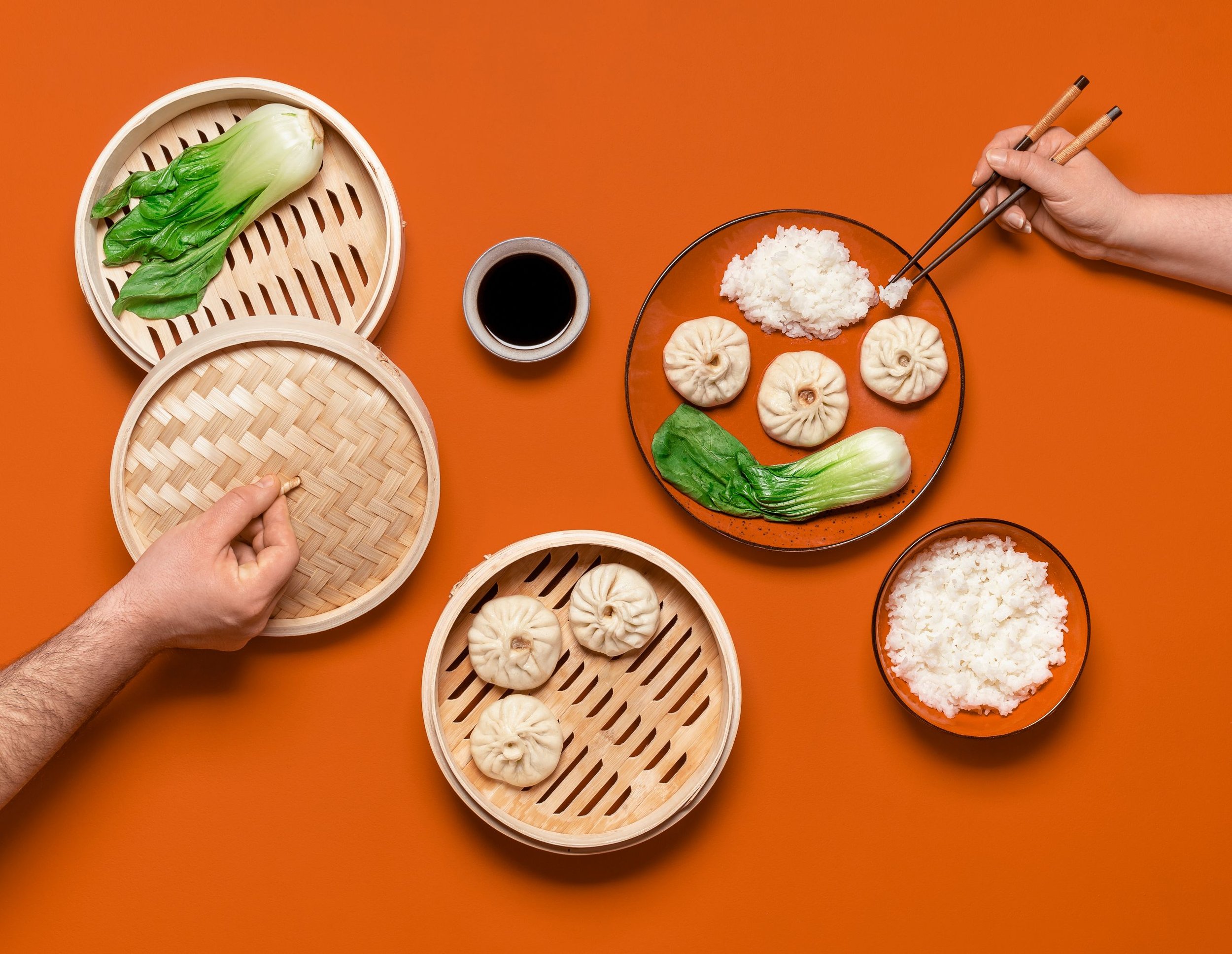
Traveling Soon? How to Keep Digestion Happy on Vacation
There is something almost universal about vacation constipation. People can hike all day in Italy, lounge oceanside in Mexico, or road trip through Wisconsin with a cooler full of snacks, yet many discover by day two or three that their digestion has quietly gone on strike. It happens so often that clients mention it with a laugh, as if it is simply part of packing sunscreen and forgetting one charger.
Travel changes far more than scenery. Your body thrives on rhythm, and vacations tend to disrupt nearly every cue that keeps digestion moving smoothly. Wake times shift. Meals happen later. Water intake drops. Bathroom privacy changes. Movement patterns become unpredictable. Stress can rise even during exciting trips because airports, traffic, schedules, and sleeping in unfamiliar places all ask your nervous system to stay alert.
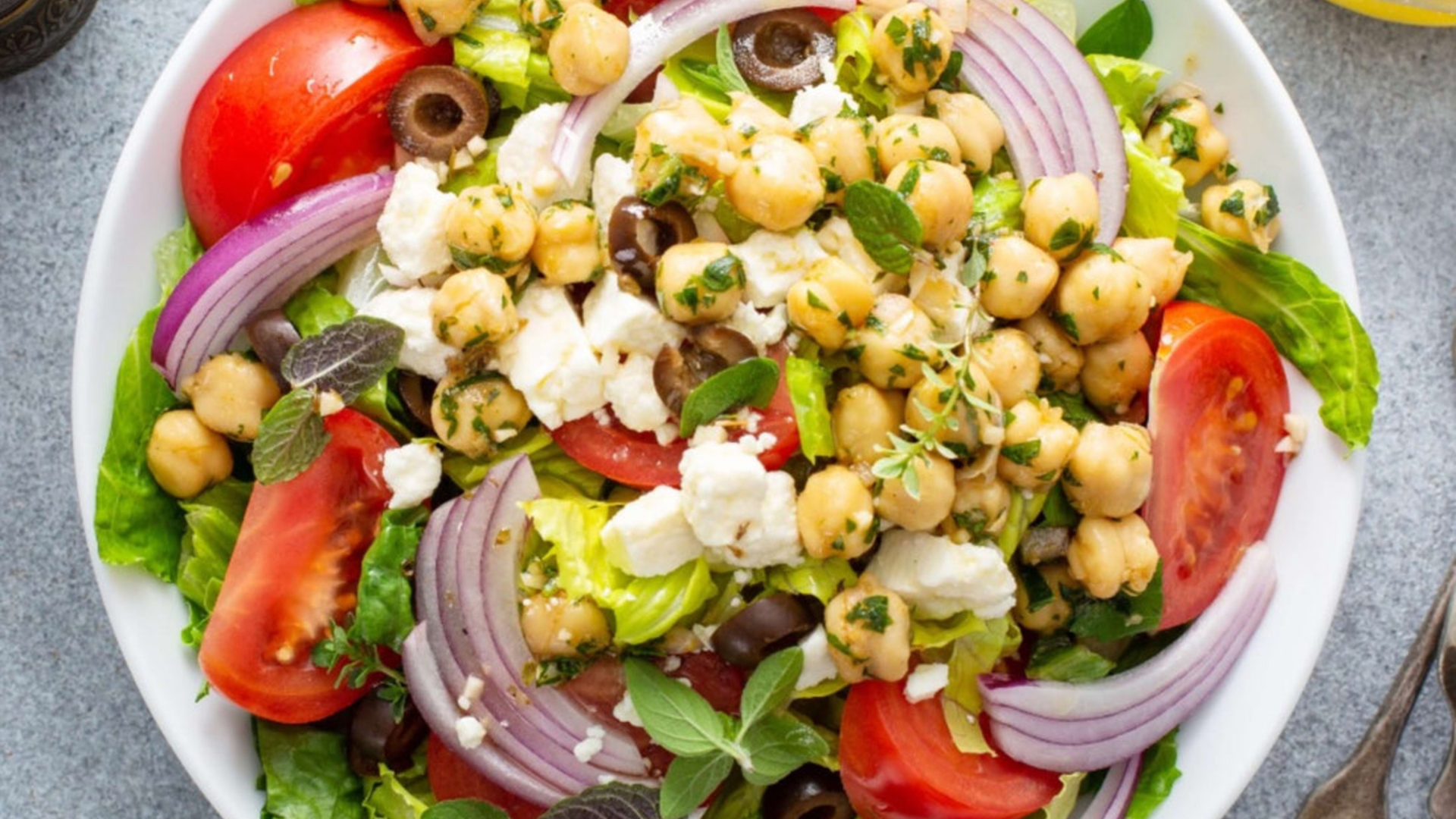
National Salad Month: Let’s Celebrate the Darn Salad
When I was younger, back in the dark ages of food culture, salads often felt like a punishment disguised as lunch. They were usually a pale pile of iceberg lettuce, a few sad carrot shreds, maybe one tomato wedge if the kitchen was feeling generous, and a heavy pour of ranch dressing trying to save the whole situation.
That was the salad many of us inherited.
It is no wonder so many people grew up thinking salads were boring, unsatisfying, or something you were supposed to eat when you were trying to be “good.” Salads became tangled up with diet culture, deprivation, and the idea that eating well had to feel joyless.
Thankfully, the salad has had a glow-up.
Nutrition Hive Partners With the EAT Lab to Advance Research on Eating Anxiety and Food Restriction
At Nutrition Hive, we know that eating can be hard, especially when anxiety, restriction, or fear around food shows up unexpectedly. Many people tell us that the toughest moments are not always during appointments or structured support. They happen in the in-between moments.

Why “Just Eat Normally” Is Not a Treatment Plan
During Eating Disorders Awareness Week, conversations about food and recovery often become more visible. That visibility matters but it also tends to surface one of the most persistent and harmful myths about eating disorders:
That recovery is simply a matter of “eating normally.”
For people living with disordered eating or an eating disorder, being told to “just eat normally” is not only unhelpful, it can be deeply invalidating. It reduces a complex biopsychosocial condition to a behavior and “willpower” problem and ignores the real reasons these patterns exist in the first place.
Eating disorders are not a lack of willpower, logic, or nutritional knowledge. They are adaptive responses rooted in physiology, nervous system patterns, life experience, and often trauma.
And no one heals from that by being told to “just eat.”

Random Acts of Kindness Day: What If Kindness Looked Like Being Fed?
Random Acts of Kindness Day often comes with a familiar script. Pay for someone’s coffee, leave a nice note, or let someone merge in traffic. Those things are lovely, and they matter.
At Nutrition Hive, we’d like to offer a reframe on this day.

The Physiology of Awkward Valentine’s Dinners
The Valentine’s dinner we imagine looks something like this: You sit down across from someone you love or deeply care about. The babysitter doesn’t text. Work stays quiet. No one needs you or interrupts other than to take your order. The lighting is warm. The table feels comfortable and intimate. The conversation flows easily. You feel present, relaxed, and genuinely hungry.
In this version of the night, food feels like part of the connection. You eat slowly, greatly enjoy your food, and your body cooperates.
And then there’s the version many people actually experience where you sit down to eat on Valentine’s Day and suddenly . . .
Heart Health Isn’t Just About the Numbers. It’s Also About Community.
When we talk about heart health, the conversation usually starts with numbers like cholesterol, blood pressure, triglycerides, A1c, and various risk scores and clinical targets. These markers matter. They give us useful information and help guide medical care.
They are still only part of the picture.
Nutrition on GLP-1 Medications: A Weight-Inclusive Guide to Staying Strong, Nourished, and Well
At Nutrition Hive, we work with clients who use GLP-1 medications like semaglutide, tirzepatide, and liraglutide — and we support them without ever making weight loss the measure of their worth or their success.
Our approach is weight-inclusive and person-first. That means we see the human, not the number on the scale. We listen to your goals, your lived history with food, and your nervous system story. And if GLP-1 medications are part of your care team, we help you use nutrition to feel your best, protect your body, and stay nourished in a sustainable way.
We Work With People, Not Prescriptions: Compassionate Nutrition Support on GLP-1s
At Nutrition Hive, we work with people who are taking GLP1 medications. The relationship comes first. Our job is to understand each person’s needs, goals, lived experiences, and nervous system before we talk about food. GLP 1s are part of the picture, but the person is the priority.

Navigating the Holiday Table: Nourishing Yourself with Food and Budget Savvy
The holidays are often described as the season of abundance—but lately, it can feel like that abundance comes with a price tag that’s hard to keep up with. Grocery bills are higher than ever, and even simple ingredients cost more than they used to. At the same time, many of us are trying to balance traditions, expectations, and the desire to show love through food. It’s easy to feel pulled between wanting to celebrate fully and needing to be practical.

From Sincere to Snarky: What to Do When Someone Comments on Your Food (or Your Body) This Holiday Season
Every December, I have at least five client conversations that start the same way: “I was at this party… and someone said something about my food (or my body).”
You can feel the frustration and exhaustion in the pause that follows. Because it’s never just one comment. It’s the hundredth one, the one that hits right where you thought you’d built some peace.
It might sound like: “Are you really going to eat all that?” or “wow, you look great — did you lose weight?” or even “I could never eat that, I’d gain ten pounds.”
And suddenly, you’re no longer enjoying your plate of stuffing or the peppermint brownie you were actually excited about. You’re back inside that small, tight feeling of being observed, judged, or measured.
So, what do you do in that moment? How do you respond when someone else’s discomfort with food or bodies gets projected onto you?
Let’s talk about that. I’m going to give you some options on how to respond that range from calm and graceful to delightfully snarky, because not every situation deserves the same energy.

Squash: Love It or Leave It?
Squash is one of those foods that seems to divide a room. For every person who lights up at the sight of roasted butternut soup, there’s someone else who wrinkles their nose and mutters about “mushy vegetables.” Even the word squash can feel funny on the tongue — part vegetable, part sound effect.
The Power of Food as Ritual
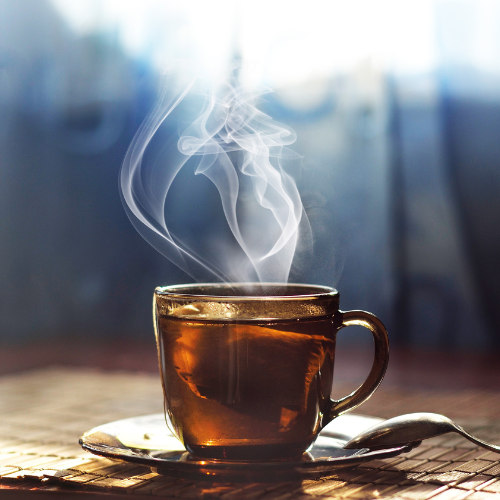
When life feels busy and unpredictable — and let’s be honest, fall has a way of bringing that — it’s often the smallest rituals that help us feel steady. One of the simplest, most nourishing ways to create a sense of rhythm is through food. Not food as a strict plan or rule, but food as a ritual.
In Defense of Pumpkin Spice
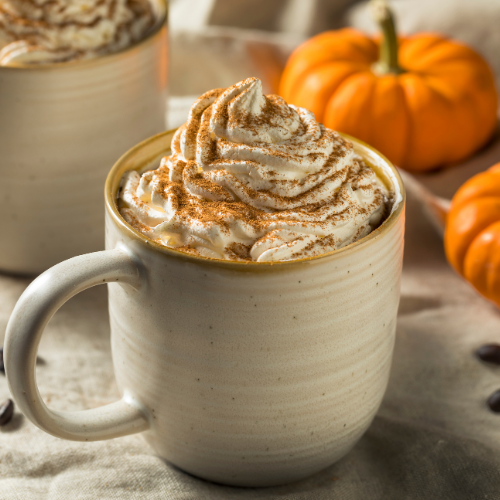
Every September, like clockwork, pumpkin spice season arrives. Suddenly, it feels like everything on the shelves has been sprinkled with cinnamon, nutmeg, ginger, and clove. The list goes far beyond the original latte: pumpkin spice muffins, cookies, creamers, cereals, pretzels, protein bars, granola, almonds, even dog treats. There are pumpkin spice candles, room sprays, soaps, and body lotions. If you can name a product, there’s probably a pumpkin spice version of it come fall.
Navigating Food Holidays Without Losing Your Balance
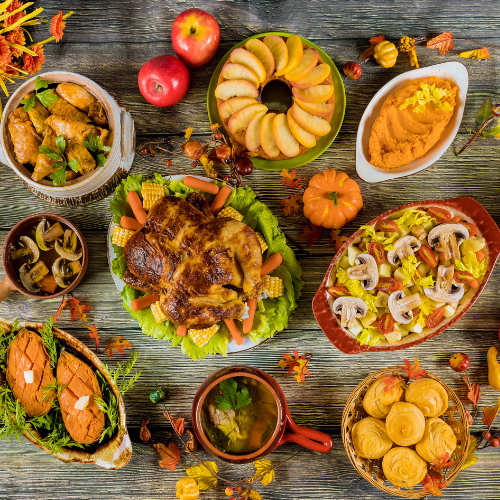
The months from mid-September through December are a whirlwind of food-centered events. From Rosh Hashanah gatherings and their sweet symbolic foods, to tailgates and Halloween candy bowls, Thanksgiving feasts, Christmas cookie swaps, and New Year’s celebrations — it can feel like one long stretch of eating occasions.

Beyond Food: How Your Work Could Be Impacting Your Blood Sugar
When we think about managing blood sugar, diet is often the first thing that comes to mind. And while eating balanced meals does play a crucial role, research is making it increasingly clear that how much we sit—and how often we move—matters just as much.
A recent study explored how breaking up prolonged sitting with different movement patterns affects blood sugar levels. The results suggest that simply sitting for long hours, even if you’re eating the “right” foods, could be harming your metabolic health. But there’s good news: small, intentional movements throughout the day can make a big difference.
Let’s break down the science and explore practical ways to counteract the blood sugar impact of a sedentary workday.
Smart Egg Substitutes: How to Cook and Bake Without Eggs as Prices Surge
Written by: Meg Bowman
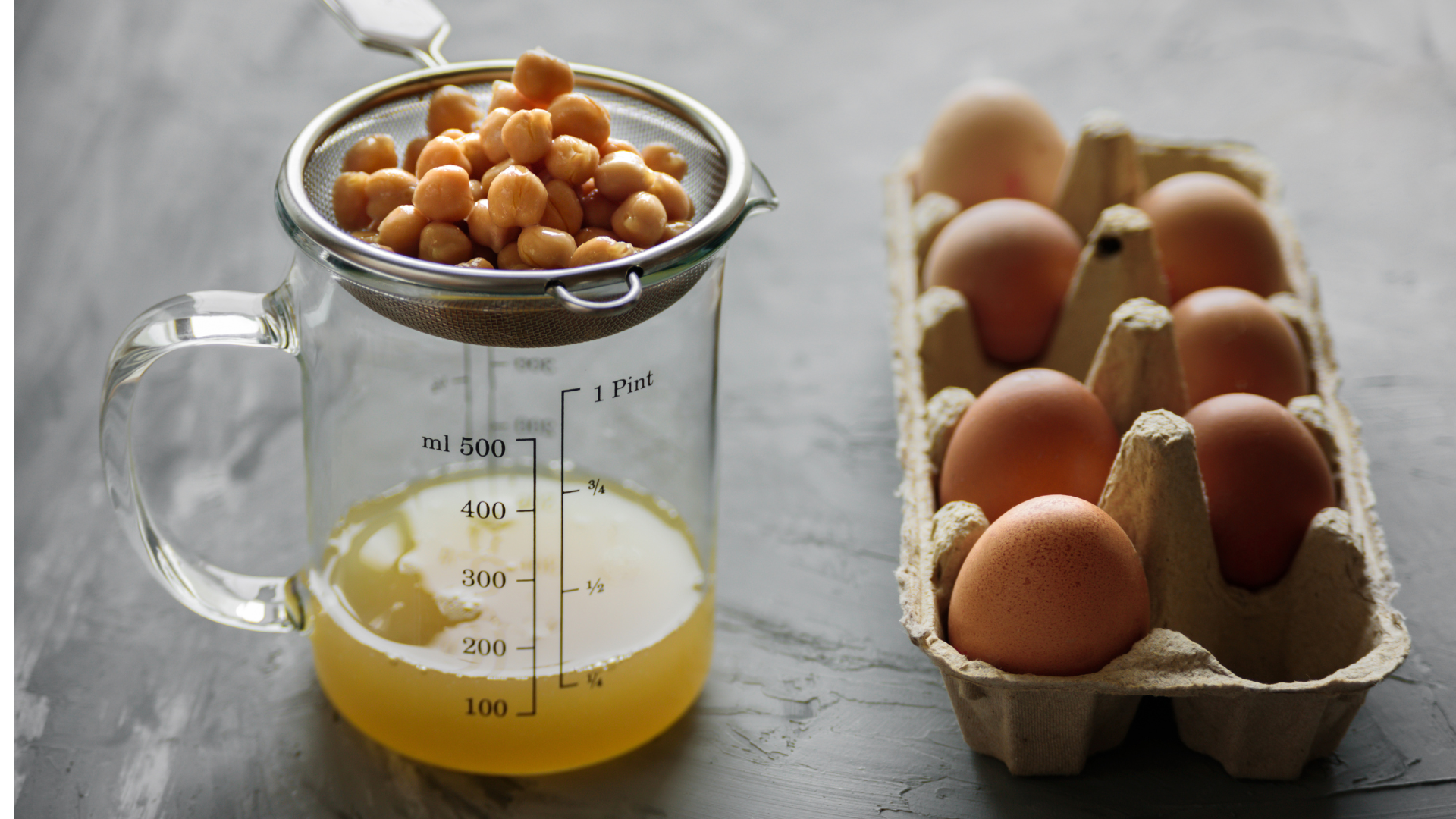
If you’ve noticed that egg prices are skyrocketing again due to another avian flu outbreak, you’re not alone. The cost of eggs has fluctuated significantly over the last few years, leaving many home cooks looking for affordable alternatives. While some may just swap out eggs when baking due to cost, others—like my family—have been navigating life without eggs for years due to food allergies.
In our household, we had to eliminate eggs entirely after discovering an allergy, and we quickly learned that there are good substitutes out there. Whether you’re avoiding eggs due to allergies, dietary preferences, or their current price surge, choosing the right substitute for the recipe you’re making is important.
Let’s explore the best egg alternatives, how they work in different recipes, and how to make simple swaps without sacrificing taste or texture.

What to Do When You’re Sick of Planning for Dinner
I don’t know about you, but I’m sick sick sick of making dinner every night. And it isn’t even the actual making dinner part that I hate, it’s the planning. Lately, I’ve found myself talking longingly with friends about how I used to make dinner, pre-kids, and it pretty much consisted of what we’d now consider a girl dinner: Some cheese, crackers, and olives, and we are set.
These days, regardless of whether It’s a dreary outside, I have to make something that the other members of my household would consider dinner.
Sound familiar?

Why New Year’s Resolutions Fail: Moving from “Should” to “Want”
The start of a new year often comes with the promise of a fresh start, but by February, many resolutions have already fallen by the wayside. If this sounds familiar, you’re not alone. One of the biggest reasons resolutions fail is that they’re often rooted in what we think we should do, rather than what we truly want to do. Let’s explore why this distinction matters and how you can reframe your goals to create a more fulfilling, sustainable path in 2025.

What’s for Dinner? Eating Strategies for Individuals with ADHD
What’s for Dinner? Eating Strategies for Individuals with ADHD
You wouldn’t know this, but neurodivergence is strongly represented in the Nutrition Hive team. Coincidence? No clue. But rest assured we are HERE for the many challenges of making food happen with ADHD. And it is a challenge for many reasons. Many clients I’ve worked with don’t like meal prep because by the time they are actually eating the meals they are so bored that they no longer want it. Others have challenges making grocery lists or shopping for meals. And 100% of my clients with ADHD lose food in the back of the fridge, have a vegetable hospice drawer, and have food that expired pre-Covid in the back of their pantry. Self-disclosure - that last one was also me.
Ready to begin your journey towards healing?